
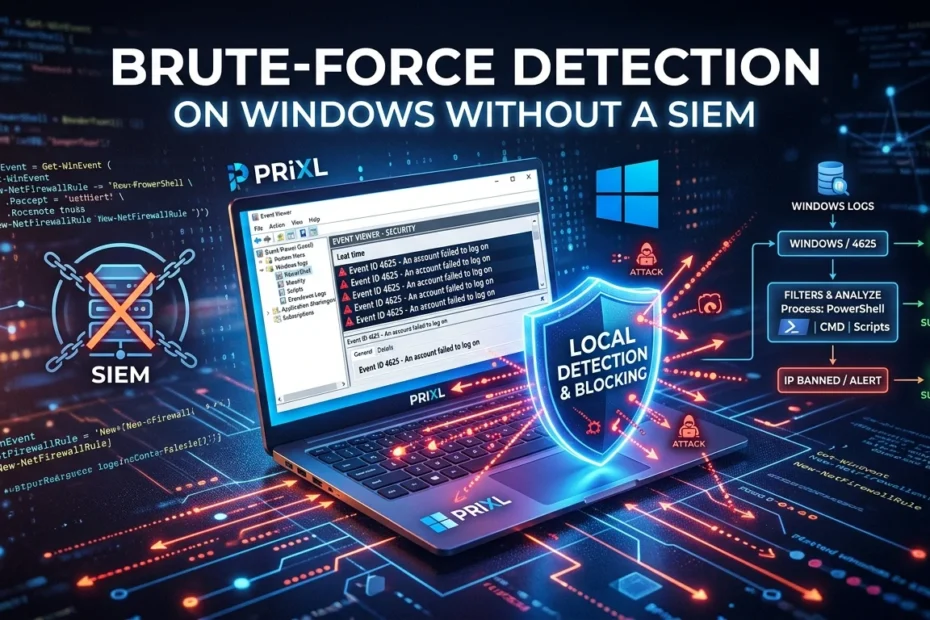
Brute-Force Detection on Windows Without a SIEM
A do-it-yourself guide for the person who looks after a small office server: the event IDs that reveal brute-force attacks and a PowerShell script that turns them into alerts.
A do-it-yourself guide for the person who looks after a small office server: the event IDs that reveal brute-force attacks and a PowerShell script that turns them into alerts.

Stolen passwords are often used at night and at weekends. Why after-hours login monitoring works, how to set working hours in Warden, and what to do when an alert fires.
How to confirm your office server is sending spam, how to stop it, and what Indian law says about your responsibility: CERT-In’s six-hour report, IT Act section 43A today and the DPDP Act from May…

The event IDs that show an attack in progress on a Windows server (4625, 4740, 4624, 4720, 4732, 7045, 1102), how to check them in a minute, and what to do next.
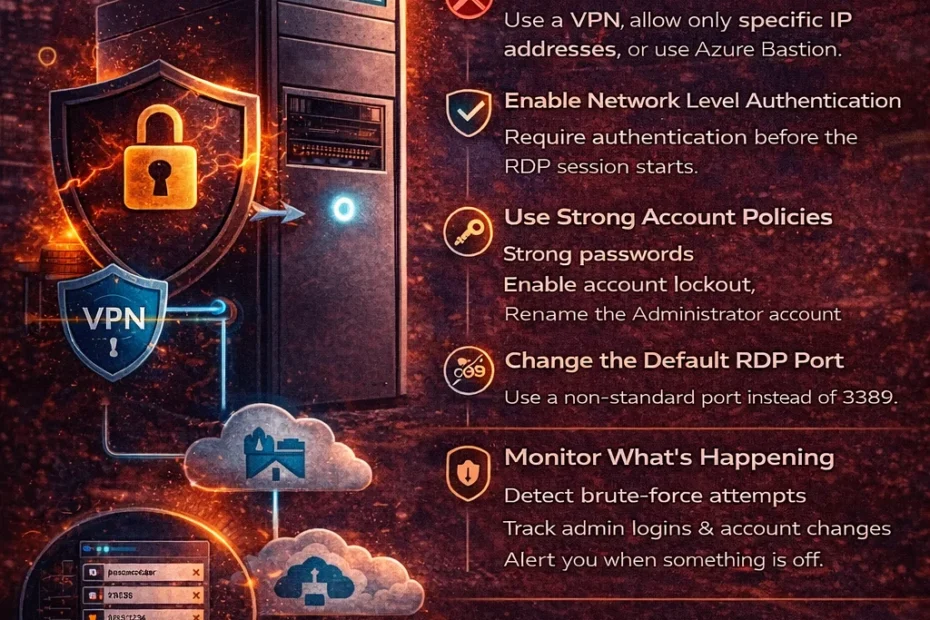
A step-by-step way to restrict Remote Desktop on a Windows server without locking yourself out: close it to the internet, allow known IPs, NLA, accounts and lockout, then verify.
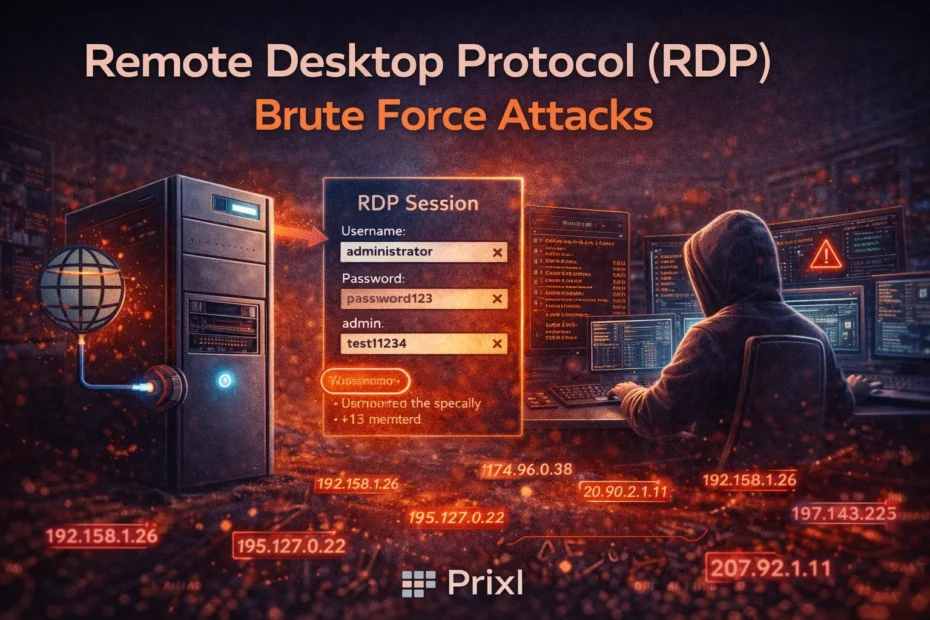
How an RDP brute-force attack runs from discovery to break-in, the event IDs it leaves in your Windows logs (4625, 4624, 4740, 4720, 1102), and what actually stops it.
How ransomware gets into a small firm’s Windows server through RDP, phishing, weak passwords and missing patches, what happens before the ransom note, and what kind of backup actually survives.